Santa Barbara Movie Guide: A Comprehensive Overview
Santa Barbara’s cinematic allure has captivated filmmakers for decades, offering diverse landscapes and architectural gems.
This guide explores the city’s rich film history,
iconic locations, and modern resources for productions.
From classic dramas to beloved soap operas,
discover how Santa Barbara has graced the silver screen,
inspiring both artistry and cultural fascination across the globe.
Santa Barbara, California, has long been a favored destination for filmmakers, drawn by its Mediterranean climate, stunning coastline, and distinctive Spanish Colonial Revival architecture. The city provides a versatile backdrop, seamlessly transitioning between portraying idyllic Californian settings and more dramatic, even sinister, locales. This adaptability has made it a popular choice for a wide range of genres, from romantic comedies like Its Complicated to intense crime dramas such as Scarface.
Beyond its aesthetic appeal, Santa Barbara offers logistical advantages, including proximity to Los Angeles and a supportive local film community. The region’s diverse environments – encompassing beaches, mountains, and wine country – further enhance its appeal. The city’s unique character has not only attracted Hollywood productions but also resonated deeply with international audiences, as evidenced by the extraordinary impact of the “Santa Barbara” soap opera in Russia, demonstrating the city’s power to transcend cultural boundaries.
Historical Significance of Filming in Santa Barbara
Santa Barbara’s history with filmmaking stretches back decades, establishing a legacy that continues to thrive today. Early productions recognized the city’s potential as a stand-in for various locations, capitalizing on its visual diversity. However, the 1983 release of Scarface significantly boosted its profile, showcasing the area’s capacity for dramatic and intense storytelling.
The late 20th and early 21st centuries saw a surge in filming activity, with productions like Big Wednesday and Sideways further cementing Santa Barbara’s reputation. Notably, the phenomenal success of the “Santa Barbara” soap opera in post-Soviet Russia created a unique cultural phenomenon, transforming the city into a symbol of Western lifestyle and inspiring artistic responses, like Ragnar Kjartansson’s documentary. This unusual connection highlights the enduring and often unexpected impact of filming on both local and global scales.
Iconic Films Shot in Santa Barbara
Santa Barbara has served as a backdrop for numerous celebrated films, including Scarface, Its Complicated, Big Wednesday, Of Mice and Men, and Sideways.
Scarface (1983) ⎻ Locations and Impact
Scarface, Brian De Palma’s iconic 1983 crime drama starring Al Pacino, significantly utilized Santa Barbara’s luxurious estates and coastal scenery to portray Tony Montana’s opulent lifestyle. While the film is primarily associated with Miami, key scenes depicting Montana’s rise to power and lavish mansion were filmed in the Santa Barbara area.
Specifically, the sprawling estate featured in the film is located in Montecito, showcasing the region’s architectural grandeur. This choice of location was instrumental in visually representing Montana’s wealth and ambition. The contrast between the beautiful surroundings and the film’s violent narrative created a powerful and memorable cinematic effect.
The film’s impact extended beyond its immediate box office success, solidifying Santa Barbara as a desirable filming location and contributing to the area’s image of affluence and sophistication. Scarface remains a cultural touchstone, and its Santa Barbara filming locations continue to attract fans and film enthusiasts.
Its Complicated (2009) ⎼ Romantic Comedy Settings
Nancy Meyers’ 2009 romantic comedy, Its Complicated, prominently features Santa Barbara as a central character, showcasing the city’s idyllic charm and sophisticated lifestyle. The film utilizes numerous Santa Barbara locations to depict the evolving relationship between Jane (Meryl Streep) and Jake (Alec Baldwin), creating a visually appealing backdrop for their complex dynamic.
The stunning beachfront property featured in the film is located in Montecito, embodying the luxurious coastal living associated with Santa Barbara. Scenes were also filmed at local restaurants and shops, highlighting the city’s vibrant culinary scene and upscale boutiques. These settings contribute to the film’s lighthearted and aspirational tone.
Its Complicated significantly boosted Santa Barbara’s profile as a romantic destination, attracting tourism and further establishing the city as a favored location for filmmakers seeking picturesque and inviting environments.
Big Wednesday (1978) ⎼ Surfing Culture and Coastal Scenes
John Milius’s 1978 surf film, Big Wednesday, beautifully captures the essence of Santa Barbara’s surfing culture and breathtaking coastal scenery. The film follows a group of friends navigating life and the pursuit of the perfect wave, with Santa Barbara’s beaches serving as the primary backdrop for their adventures.
Rincon Point, a world-renowned surfing location near Santa Barbara, is prominently featured, showcasing its consistent waves and stunning ocean views. The film authentically portrays the laid-back lifestyle and camaraderie of the local surfing community, immersing viewers in the 1970s surf scene.
Big Wednesday not only celebrated the sport of surfing but also highlighted Santa Barbara’s natural beauty, solidifying its reputation as a surfing paradise and a desirable filming location for capturing coastal landscapes.
Of Mice and Men (1992) ⎻ Dramatic Landscapes
The 1992 film adaptation of John Steinbeck’s classic novel, Of Mice and Men, utilized Santa Barbara County’s dramatic landscapes to evoke the story’s themes of loneliness, hardship, and the American Dream; While not solely filmed within the city limits, the surrounding areas provided crucial settings for the narrative.
The film’s production team strategically chose locations to mirror the novel’s depiction of rural California during the Great Depression. Rolling hills, expansive fields, and rustic farm settings near Santa Barbara contributed to the film’s authentic and poignant atmosphere.
These landscapes served as a powerful visual representation of the characters’ struggles and aspirations, enhancing the emotional impact of the story. Santa Barbara’s diverse terrain proved invaluable in bringing Steinbeck’s vision to life on screen.
Sideways (2004) ⎼ Wine Country and Character Locations
Sideways (2004), Alexander Payne’s critically acclaimed film, prominently features Santa Barbara County’s renowned wine country as a central character and backdrop. The rolling vineyards of the Santa Ynez Valley became intrinsically linked with the film’s narrative of mid-life crises and evolving friendships.
Key locations included wineries like Sunstone Vineyards & Winery and Fess Parker Winery, showcasing the region’s picturesque beauty and contributing to the film’s overall aesthetic. These wineries weren’t merely scenic locations; they were integral to the characters’ journeys and interactions.
Beyond the vineyards, the film also utilized locations in the city of Santa Barbara itself, further embedding the area within the story. Sideways significantly boosted wine tourism in the region, solidifying Santa Barbara’s place in cinematic history.
Exploring Specific Filming Locations
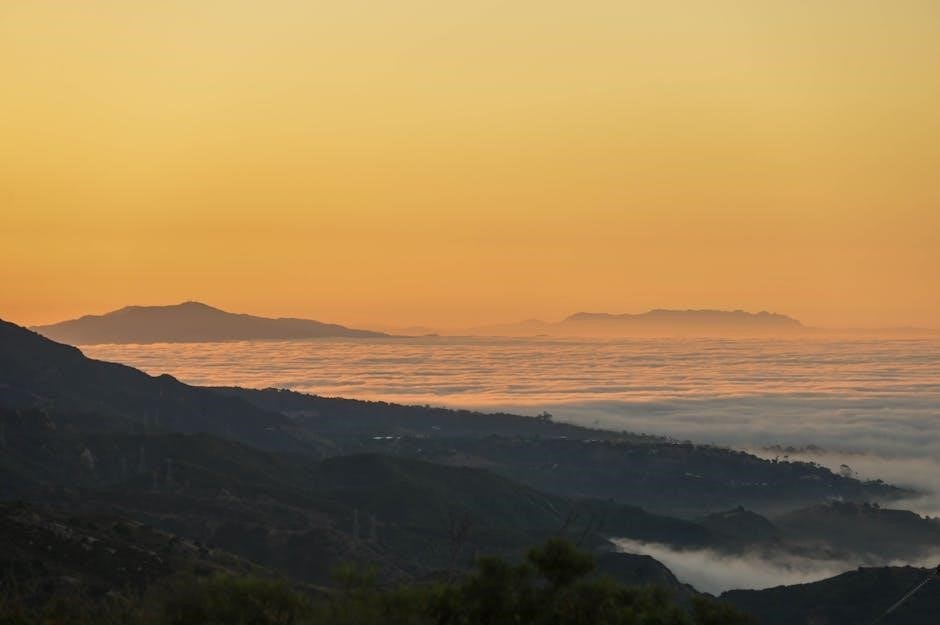
Santa Barbara offers diverse, iconic locations, from the dramatic San Rafael Mountains to the historic Santa Barbara County Courthouse,
and bustling State Street, each contributing uniquely to cinematic productions.
San Rafael Mountains & Zaca Lake (Friday the 13th: The Final Chapter)
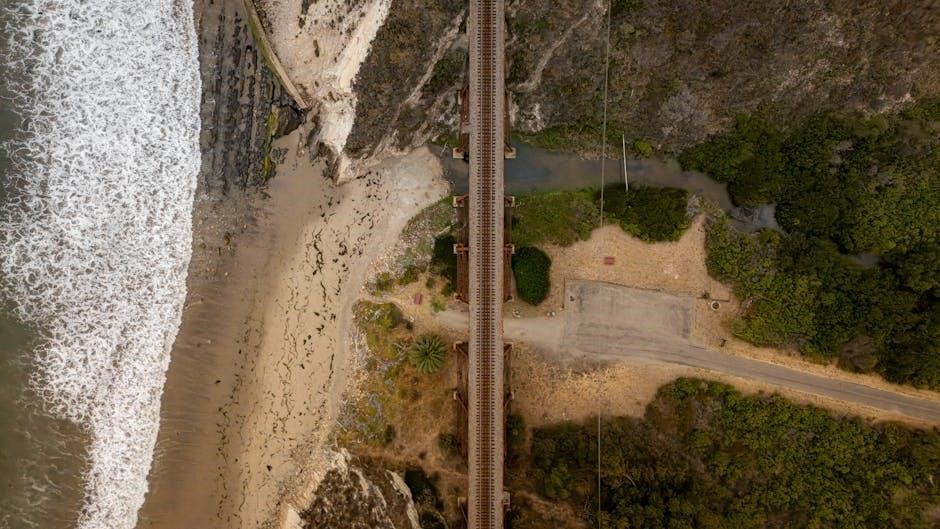
The San Rafael Mountains and specifically Zaca Lake, served as a chilling backdrop for the fourth installment in the Friday the 13th franchise, The Final Chapter. This location, chosen for its remote and rugged beauty, was dramatically transformed to embody the film’s terrifying narrative. The natural scenery provided a stark contrast to the horror unfolding on screen, enhancing the suspense and isolating atmosphere crucial to the slasher genre.
Filmmakers utilized the area’s dense forests and the serene, yet imposing, presence of Zaca Lake to create a sense of vulnerability for the characters. The landscape itself became a character, contributing to the film’s iconic status. Today, the area remains a popular destination for hikers and nature enthusiasts, unaware of its cinematic past, offering a unique blend of natural beauty and horror film history.
Santa Barbara County Courthouse ⎼ Architectural Backdrop
The Santa Barbara County Courthouse, a masterpiece of Spanish Colonial Revival architecture, frequently appears as a stunning backdrop in numerous films and television productions. Completed in 1929, its ornate details, hand-painted ceilings, and picturesque courtyards offer a versatile setting for diverse cinematic needs. The building’s aesthetic lends itself particularly well to period pieces and romantic dramas, evoking a sense of timeless elegance.
Its iconic clock tower and beautifully tiled domes are instantly recognizable, adding a touch of Californian grandeur to any scene. The Courthouse isn’t merely a visual asset; its public spaces have been utilized for pivotal plot points, enhancing the narrative through its inherent beauty. It stands as a testament to the city’s architectural heritage and continues to attract filmmakers seeking a visually captivating location.
State Street ⎻ Downtown Scenes and Cityscapes
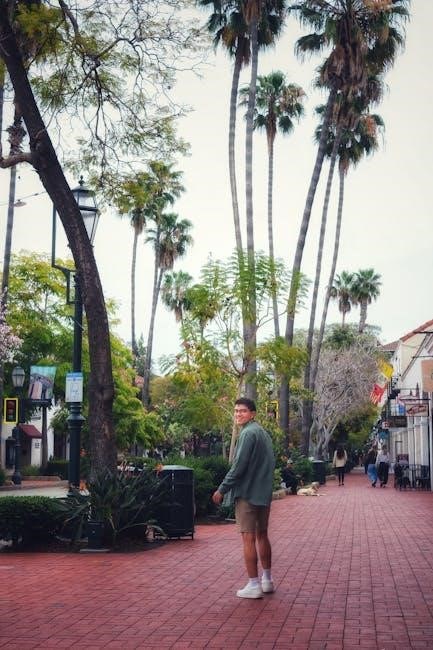
State Street, the heart of Santa Barbara, serves as a dynamic and frequently utilized filming location, offering quintessential downtown scenes and vibrant cityscapes. Its blend of Spanish Colonial architecture, bustling shops, and pedestrian-friendly atmosphere provides a versatile backdrop for a wide range of productions. From romantic comedies to crime dramas, State Street effortlessly embodies the essence of Californian urban life.
Filmmakers often leverage its iconic storefronts and lively street scenes to create authentic and engaging environments. The street’s central location and accessibility make it a practical choice for logistical considerations. Its visual appeal, combined with the surrounding hills and ocean views, adds depth and character to any film. State Street truly captures the spirit of Santa Barbara, making it a favored location for capturing the city’s energy.
Stearns Wharf ⎼ Coastal Shots and Harbor Views
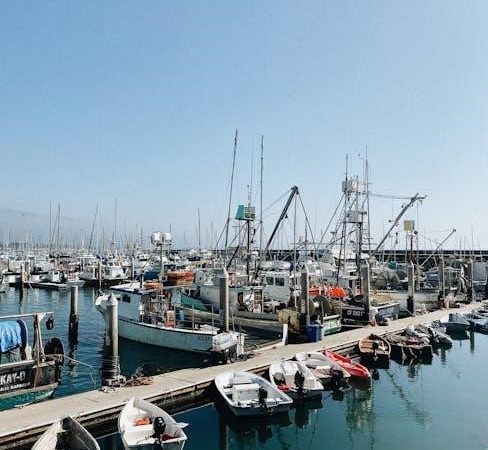
Stearns Wharf, a historic landmark, presents breathtaking coastal shots and picturesque harbor views, making it a highly sought-after filming location. Extending over the Pacific Ocean, the wharf offers stunning backdrops of the coastline, the Channel Islands, and the vibrant harbor activity. Its weathered wooden structure and charming ambiance evoke a sense of classic Californian coastal life.
Filmmakers utilize Stearns Wharf to capture dramatic ocean scenes, romantic encounters, and lively harbor sequences. The wharf’s unique character and panoramic vistas add visual richness to any production. Its accessibility and iconic status make it a practical and recognizable location. From sweeping aerial shots to intimate close-ups, Stearns Wharf consistently delivers captivating imagery, embodying the beauty and allure of Santa Barbara’s coastline.
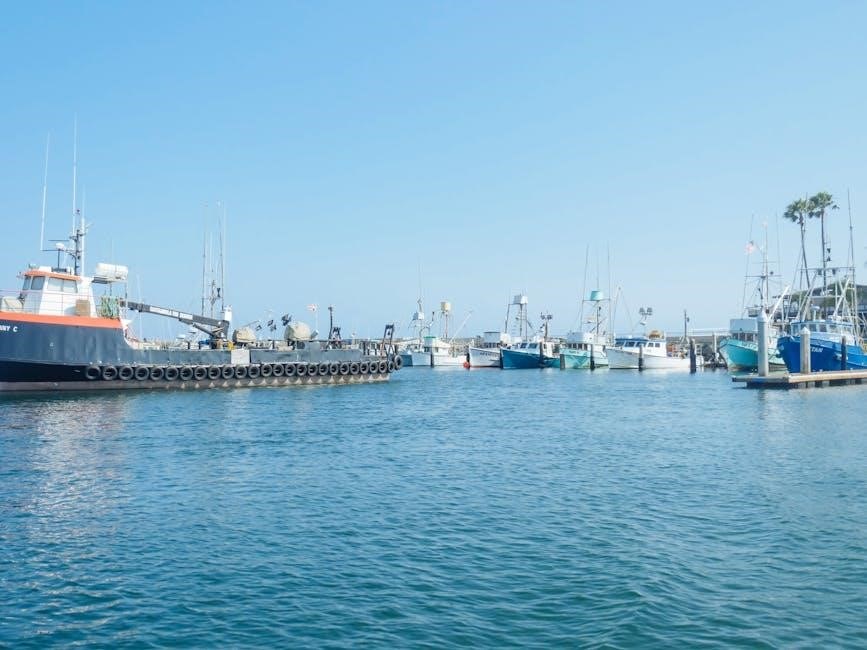
The “Santa Barbara” Soap Opera Phenomenon
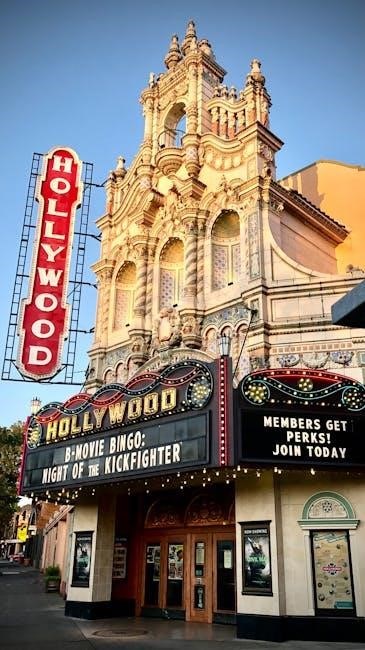
Santa Barbara, the soap opera, became a cultural obsession in post-Soviet Russia, offering a glimpse into Western lifestyles and profoundly impacting Russian homes and art.
The Show’s Impact on Russian Culture
Santa Barbara’s arrival in Russia in 1992, shortly after the fall of the Soviet Union, was nothing short of a phenomenon. It captivated a nation yearning for a different world, becoming a national obsession that dramatically altered daily life. During its broadcast, streets emptied as Russians tuned in, fascinated by the Californian lifestyle depicted on screen.
The show’s influence extended beyond mere viewership; people even named their pets after characters, and the show’s interior design—particularly the arches—inspired widespread home remodeling. Families sought to replicate the Californian aesthetic, replacing square door frames with arches, symbolizing a break from the Soviet past and an embrace of Western ideals. This cultural impact demonstrates the powerful role Santa Barbara played in shaping post-Soviet Russian identity and aspirations.
“Soviet Barbara”: The Moscow Museum Re-Enactment
In a remarkable tribute to the show’s enduring legacy, the Moscow Museum of Contemporary Art staged a full-scale re-creation of the Santa Barbara set in 2021. This immersive installation, dubbed “Soviet Barbara,” meticulously reconstructed the iconic interiors, complete with furniture, décor, and even the distinctive arches that captivated Russian audiences.
The project wasn’t simply a nostalgic display; it was a profound exploration of the show’s cultural impact and its role in shaping post-Soviet identity. Visitors could wander through the recreated sets, experiencing firsthand the world that had so powerfully influenced a generation. This artistic endeavor highlighted how Santa Barbara became a symbol of aspiration and a window into a different way of life for Russians during a period of immense social and political change.
Ragnar Kjartansson’s Documentary on the Soap Opera’s Legacy
Icelandic artist Ragnar Kjartansson delved into the extraordinary phenomenon of Santa Barbara’s popularity in Russia with his 2023 documentary, “Soviet Barbara, the Story of Ragnar Kjartansson in Moscow.” The film chronicles Kjartansson’s exploration of the show’s cultural resonance, focusing on the Moscow Museum’s ambitious re-creation of the Santa Barbara set.
The documentary beautifully captures the dedication of the museum staff and the passionate fans who meticulously rebuilt the Californian world within a Moscow museum. It examines why a seemingly frivolous American soap opera resonated so deeply with a nation undergoing profound transformation after the fall of the Soviet Union. Kjartansson’s work isn’t merely a recounting of events; it’s a poignant meditation on memory, longing, and the power of popular culture to shape collective identity.
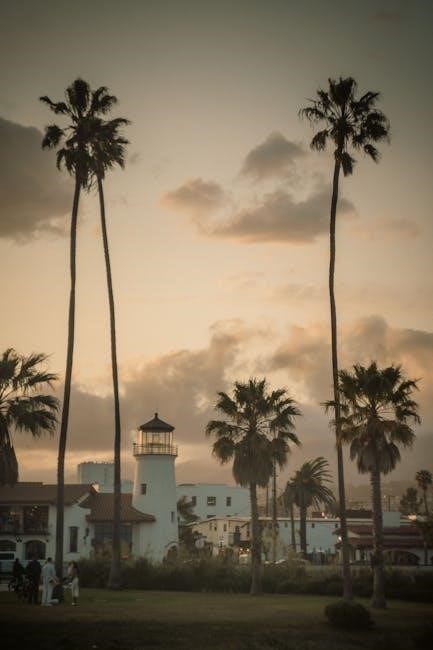
Santa Barbara as a Modern Filming Destination
Santa Barbara provides filmmakers with readily available locations for rent, streamlined permit processes, and dedicated film commission support for successful productions.
Available Filming Locations for Rent
Santa Barbara boasts a diverse range of filming locations available for rent, catering to various production needs and budgets. From luxurious coastal estates and historic Spanish Colonial architecture to sprawling ranches and pristine beaches, the city offers a visually stunning backdrop for any project. Several agencies specialize in location scouting and management, connecting filmmakers with property owners willing to host shoots.
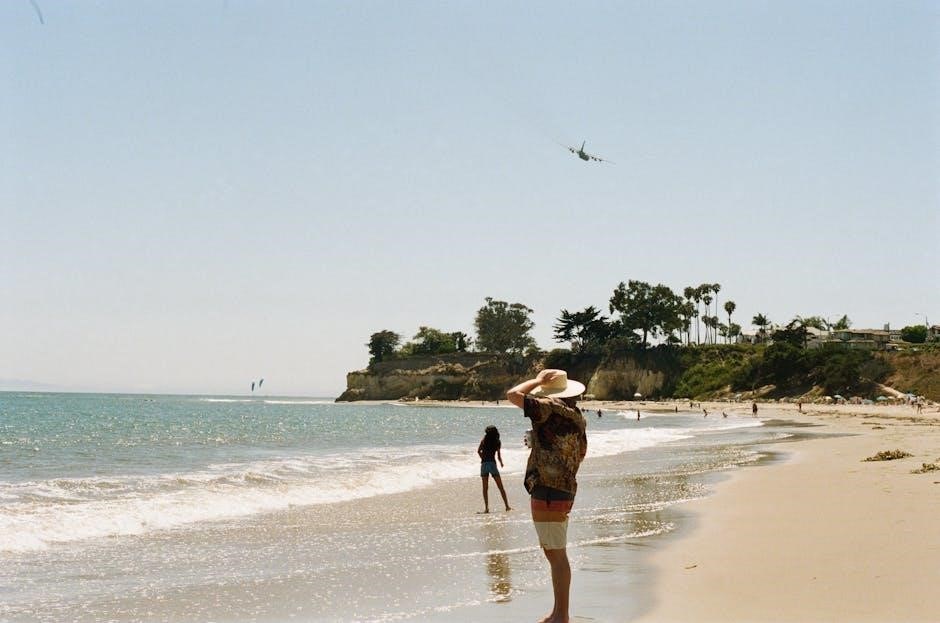
Options include private residences offering ocean views, the iconic Santa Barbara County Courthouse with its breathtaking architectural details, and the bustling State Street for capturing vibrant cityscapes. Furthermore, vineyards in the nearby Santa Barbara wine country provide picturesque settings for romantic scenes or dramatic narratives. The availability and rental costs vary depending on the location, duration of the shoot, and specific requirements. Detailed listings and contact information for location agencies can be found through the local film commission, streamlining the search process for filmmakers.
Film Permits and Regulations
Santa Barbara requires film permits for most commercial and large-scale productions shooting on public property. The permitting process is managed by the city’s Film Commission, ensuring smooth operations while minimizing disruption to residents and businesses. Applications must be submitted in advance, detailing the proposed shoot location, dates, crew size, and any special effects or equipment planned for use.
Permit fees vary based on the scope of the production and potential impact on city services. Regulations address issues like street closures, parking restrictions, noise levels, and environmental protection. Filmmakers are expected to adhere to all local laws and ordinances, including those related to safety and insurance. The Film Commission provides comprehensive guidelines and assistance to navigate the permitting process efficiently, fostering a collaborative environment for filmmakers while upholding community standards.
Local Film Commissions and Resources
Santa Barbara boasts a dedicated Film Commission, serving as a primary resource for filmmakers seeking to utilize the city as a filming location. This commission provides invaluable assistance, including location scouting support, permit facilitation, and coordination with local authorities. They offer a comprehensive database of available locations, ranging from iconic landmarks to hidden gems, streamlining the pre-production process.
Beyond the Film Commission, several local organizations offer support services. These include production companies, equipment rental houses, and experienced crew members. The commission’s website provides a directory of these resources, connecting filmmakers with the expertise they need. Furthermore, the commission actively promotes Santa Barbara as a film-friendly destination, attracting new productions and fostering a thriving local film industry.
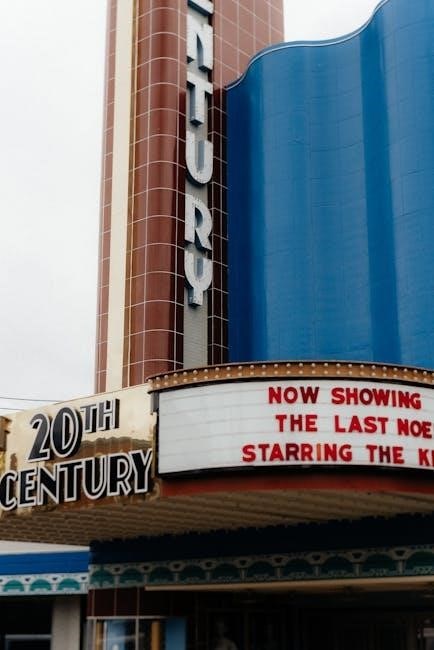
Beyond the Blockbusters: Lesser-Known Films
Santa Barbara’s beauty extends to independent cinema and documentaries, showcasing diverse stories and artistic visions.
These films often utilize unique locations,
adding to the city’s cinematic tapestry and offering fresh perspectives.
Independent Films Shot in Santa Barbara
Santa Barbara frequently serves as a backdrop for independent filmmakers drawn to its picturesque settings and creative energy. While often overshadowed by larger productions, these films contribute significantly to the city’s cinematic identity. They frequently leverage the area’s natural beauty and unique architectural elements, offering a different perspective than mainstream Hollywood fare.
These smaller-scale projects often benefit from the accessibility of locations and a supportive local film community. They explore a wider range of genres and narratives, showcasing emerging talent and innovative storytelling. Discovering these hidden gems reveals a vibrant side of Santa Barbara’s film scene, demonstrating its appeal beyond blockbuster productions. The city’s charm and versatility continue to inspire independent artists, enriching its cultural landscape with diverse cinematic expressions.
Documentaries Featuring Santa Barbara Locations
Santa Barbara’s allure extends beyond fictional narratives, frequently appearing as a key location in compelling documentary films. These productions often utilize the city’s scenic beauty and cultural landmarks to enhance their storytelling, offering a realistic and immersive viewing experience. Documentaries showcase Santa Barbara’s history, lifestyle, and unique character to a wider audience.
Notably, Soviet Barbara, the Story of Ragnar Kjartansson in Moscow (2023) explores the profound impact of the “Santa Barbara” soap opera on Russian culture, highlighting the city as a symbol of Western life. Other documentaries may feature the region’s natural landscapes or delve into local issues. These films provide insightful perspectives, solidifying Santa Barbara’s position as a captivating subject for non-fiction filmmaking and enriching its cinematic legacy.
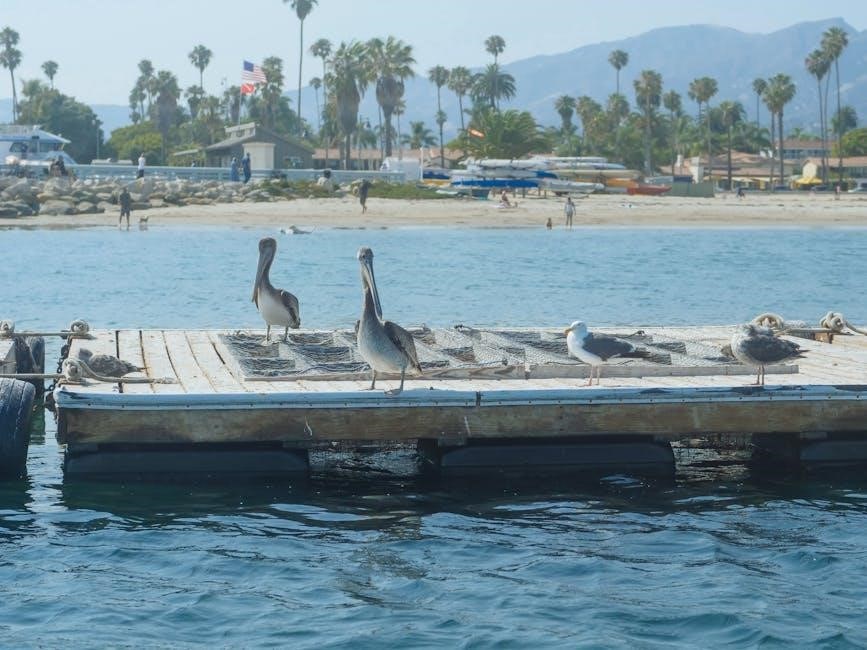
Future of Filming in Santa Barbara
Santa Barbara’s film future looks promising, fueled by incentives and growing industry interest.
Local resources and commissions actively support filmmakers,
ensuring continued growth and creative opportunities within the region.
Incentives for Filmmakers
Santa Barbara, while not currently boasting a dedicated, comprehensive film incentive program on the scale of larger production hubs, actively works to attract filmmakers through various avenues. The city and county understand the economic benefits of film production and are continually exploring options to enhance support. Currently, incentives primarily revolve around streamlined permitting processes, reduced location fees for certain public properties, and collaborative assistance from the local film commission in navigating logistical challenges.
The Santa Barbara Film Commission serves as a crucial resource, offering guidance on potential tax credits available at the state level through the California Film Commission. These state incentives can significantly offset production costs, making Santa Barbara a more competitive filming destination. Furthermore, the commission actively promotes the region’s unique locations and skilled workforce to attract projects. Discussions are ongoing regarding potential local incentive programs to further bolster the film industry’s presence in Santa Barbara, aiming to create a more robust and sustainable ecosystem for filmmakers.
Potential for Growth in the Film Industry
Santa Barbara possesses significant untapped potential for expansion within the film industry, fueled by its diverse locations, skilled local crew base, and proximity to Los Angeles. A key area for growth lies in attracting more independent films and documentaries, capitalizing on the region’s unique aesthetic and relatively accessible production costs compared to larger urban centers.
Further development of local incentive programs, alongside streamlined permitting and increased marketing efforts by the film commission, could dramatically increase project volume. Investment in local film infrastructure, such as sound stages and post-production facilities, would also be beneficial. The city’s appeal extends beyond traditional filmmaking; opportunities exist in commercial production, music videos, and digital content creation. Cultivating partnerships with film schools and fostering local talent will be crucial for sustained growth, solidifying Santa Barbara’s position as a vibrant and attractive filming destination.